
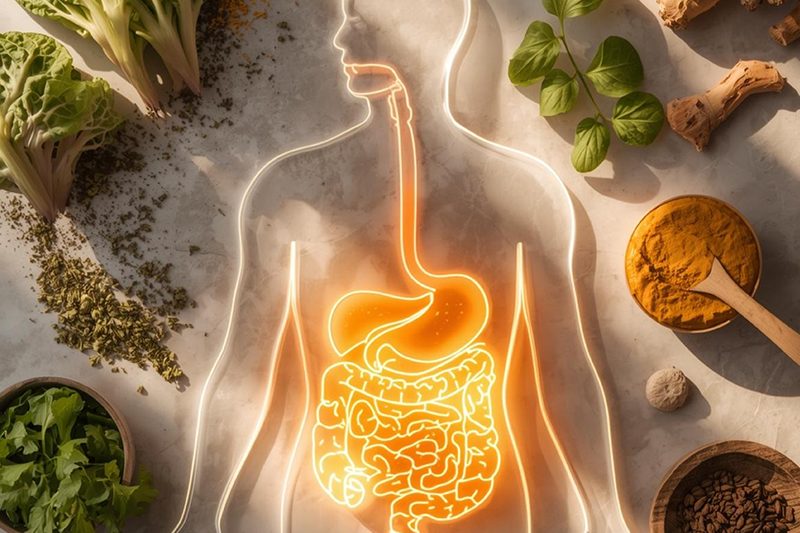
Modern research continues to confirm something ancient physicians understood thousands of years ago: our health begins in the gut. The digestive system does far more than break down food – it regulates immunity, controls inflammation, influences mental health, and plays a major role in how the body repairs itself.
For those living with autoimmune conditions, supporting the gut can be especially powerful. When the gut lining becomes inflamed or imbalanced, the immune system may become dysregulated, potentially worsening autoimmune symptoms. Because of this connection, gut healing for autoimmune conditions has become an important focus within integrative and holistic health.
The good news is that many natural remedies and lifestyle practices can help restore digestive balance and support overall wellbeing. Whether you’re navigating an autoimmune diagnosis, supporting cancer recovery, or simply looking to improve your health, these 18 gut-healing remedies may help nurture a healthier internal environment.
1. Bone Broth
Bone broth is one of the most traditional remedies used for gut healing in autoimmune conditions. Slowly simmered bones release collagen, gelatin, amino acids and minerals that help nourish the gut lining.
These compounds support the repair of the intestinal wall and may help reduce inflammation in the digestive tract.
2. Fermented Foods
Fermented foods such as sauerkraut, kimchi, kefir and natural yoghurt contain beneficial bacteria that support the microbiome.
A diverse microbiome is essential for gut health, as these microbes help regulate immune responses and reduce inflammation.
3. High-Quality Probiotics
While fermented foods are helpful, therapeutic probiotics can provide targeted strains that support gut balance.
Certain probiotic strains have been shown to assist with immune regulation, making them valuable tools in supporting gut health.
4. Prebiotic Fibre
Prebiotics are fibres that feed beneficial gut bacteria. When good bacteria thrive, the gut environment becomes more resilient.
The best food sources of prebiotic fibre include beans, leeks, asparagus, cabbage, chicory, jerusalem artichokes, garlic, onions, chickpeas, lentils, red kidney beans, watermelon, nectarines, grapefruit, dates, figs, cashews and pistachio nuts.

5. L-Glutamine
L-glutamine is an amino acid that serves as a primary fuel source for intestinal cells. It is commonly used in functional medicine protocols, as it may help repair the intestinal lining and support digestive integrity.
It is available as a dietary supplement in various forms, including capsules, tablets and powders. The powder form can be mixed with water or juice and is often preferred for its versatility and ease of use.
6. Collagen
Collagen supplements provide structural proteins that help rebuild connective tissues, including the gut lining. This makes collagen an important nutritional ally, especially when the digestive tract is compromised.
7. Zinc (Especially Zinc Carnosine)
Zinc plays a key role in immune regulation and tissue repair.
Zinc carnosine, in particular, has been studied for its ability to support stomach lining repair and reduce inflammation. It is best taken with food.
8. Omega-3 Fatty Acids
Omega-3 fatty acids play a crucial role in reducing inflammation and supporting immune system function. They also help regulate inflammatory responses throughout the body. Because autoimmune conditions are driven by inflammation, these healthy fats support gut health by calming immune overactivity.
Fatty fish like salmon, mackerel, sardines, are renowned for their high omega-3 content, however they can also contain heavy metals like mercury and other contaminants due to environmental pollution. Plant-based sources of omega-3s, such as flaxseeds, chia seeds, hemp seeds, walnuts and algae oil, offer a cleaner and safer alternative.
9. Turmeric
Turmeric contains curcumin, a powerful anti-inflammatory compound. Regular use of turmeric may help reduce gut inflammation and support the body’s natural repair processes.
It can be taken as capsules, supplements, or added to your recipes. To make sure curcumin is efficiently absorbed into the body, it should either be fermented or contain black pepper (piperine).
10. Ginger
Ginger has long been used to soothe digestive discomfort. It supports healthy digestion, reduces nausea and helps calm inflammation.
11. Aloe Vera
Aloe vera has soothing properties that may help calm irritated digestive tissues. When used carefully in food-grade preparations, aloe can support the repair of the intestinal lining.
Aloe vera is versatile and comes in various forms. Its gel form is commonly used topically for skincare purposes, while aloe vera juice serves as a dietary supplement to support digestive health and provide essential nutrients. Capsules containing aloe vera extract offer a convenient option for oral consumption. Additionally, aloe vera is incorporated into creams, lotions, and moisturisers for topical application to soothe and hydrate the skin.

12. Slippery Elm
Slippery elm bark forms a soothing gel when mixed with water and is s available in various forms, including powder, capsules, lozenges, teas and extracts. This mucilaginous herb coats the digestive tract, helping to calm irritation and support tissue repair.
13. Marshmallow Root
Like slippery elm, marshmallow root contains soothing compounds that protect and nourish the digestive lining. Its gentle action can support inflammation reduction and assist in gut healing for autoimmune conditions.
Marshmallow root is available in various forms, including dried root powder, capsules, teas, tinctures and extracts. Additionally, it can be found as an ingredient in certain herbal supplements and topical products such as creams and ointments
14. Magnesium
Magnesium supports hundreds of biochemical reactions in the body, and supplements come in various forms. Each offers unique benefits:
- Magnesium citrate is known for its high absorption and laxative effects
- Magnesium glycinate aids in anxiety relief and improved sleep
- Magnesium L-threonate targets brain health
- Magnesium chloride provides topical relief for muscle cramps
- Magnesium sulfate serves as Epsom salt for baths
- Magnesium malate supports energy production, particularly for fibromyalgia and chronic fatigue syndrome
- Magnesium oxide is effective for short-term relief from constipation and heartburn but has lower absorbability.
15. Digestive Enzymes
Digestive enzymes help break down proteins, fats and carbohydrates so nutrients can be properly absorbed.
Supporting digestion with enzymes therefore reduces stress on the gut and assists with gut healing.
16. Apple Cider Vinegar
Raw, unfiltered apple cider vinegar may support stomach acid production and improve digestion.
Healthy stomach acid levels are crucial for breaking down food and preventing bacterial imbalances.
17. Fibre Diversity
A varied diet rich in plant fibres supports microbial diversity in the gut.
Eating a wide range of vegetables, fruits, seeds and legumes nourishes beneficial bacteria and is foundational for optimum gut health.

18. Reducing Stress
Stress has a profound impact on the gut. Chronic stress can alter the microbiome, weaken digestion and increase inflammation.
Practices such as meditation, breathwork, gentle movement and time in nature are often overlooked but essential tools when it comes to supporting your gut.
Supporting the Body Through Gut Health
The gut plays a central role in immunity, inflammation and overall vitality. By nourishing the digestive system with the right foods, nutrients and lifestyle practices, we create the conditions for the body to restore balance.
While these remedies are not intended to replace medical care, they can be powerful allies in a holistic approach to wellbeing. For many individuals navigating chronic illness, including autoimmune conditions and cancer recovery, focusing on gut healing for autoimmune conditions may help support resilience, energy and long-term health.
Small daily choices – what we eat, how we manage stress, and how we care for our microbiome – can gradually transform the terrain of the body from the inside out.

At Together Against Cancer, we often welcome guest speakers to the Wellness Centre to support your healing journey, including nutritional guidance and ways to easily maintain an optimum diet during a healing journey. Naturopath, Emmie, at Hummingbird Naturopath is one of our regular faces hosting nutrition sessions.
Keep an eye on our events page for an updated schedule of workshops over the coming months: https://www.togetheragainstcancer.org.uk/events/