
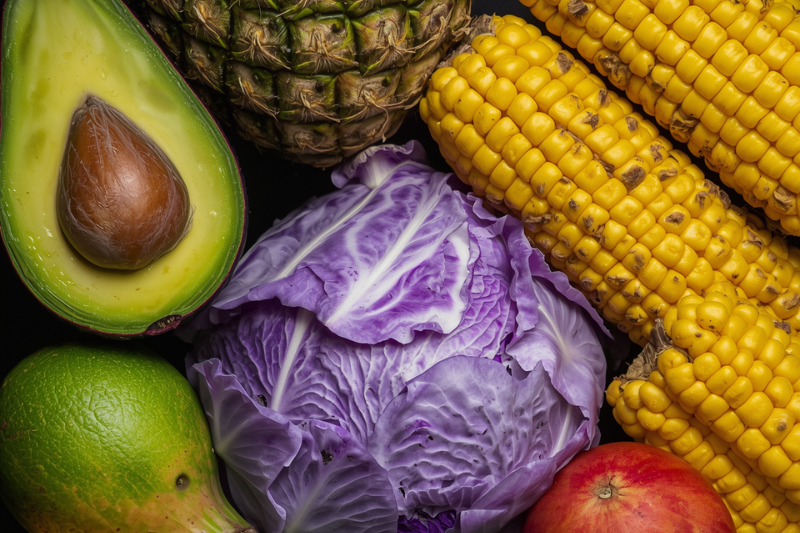
Many people wish to make healthier choices and eat more fresh fruits and vegetables – but we also know that buying organic all the time isn’t always realistic or affordable. That’s why each year, the Environmental Working Group (EWG) releases its Dirty Dozen and Clean Fifteen lists. These helpful guides are based on the latest USDA testing data that can support families in making informed choices, even on a budget.
At Together Against Cancer, we believe reducing unnecessary chemical exposure where possible is one meaningful step toward supporting long-term health and wellbeing.
These lists are not about fear or avoiding fruit and vegetables. In fact, eating more produce in any form is always a positive step. Instead, they help you prioritise where buying organic may matter most, and where you can save your pennies.
Dirty Dozen List
The Dirty Dozen includes fruits and vegetables found to carry the highest levels of pesticide residues when conventionally grown.
If organic options are available and within budget, these are the items worth prioritising:
- Spinach
- Kale, collard & mustard greens
- Strawberries
- Grapes
- Nectarines
- Peaches
- Cherries
- Apples
- Blackberries
- Pears
- Potatoes
- Blueberries

Clean Fifteen List
The Clean Fifteen includes produce with the lowest detected pesticide residues when conventionally grown.
For many of these foods, buying non-organic can be a more affordable option with less concern. Many also have protective outer skins or layers that are removed before eating.
- Pineapple
- Sweet corn (fresh and frozen)
- Avocados
- Papaya
- Onions
- Sweet peas (frozen)
- Asparagus
- Cabbage
- Cauliflower
- Watermelon
- Mangoes
- Bananas
- Carrots
- Mushrooms
- Kiwi
Progress Over Perfection
If organic produce isn’t always possible, that’s okay. Start where you can. Use these lists to make strategic swaps when it matters most, and remember that eating a variety of fruits and vegetables – organic or not – is still one of the best things you can do for your health.
Another simple step you can take is washing produce thoroughly and soaking fruits and vegetables in a solution of bicarbonate of soda and water before eating. Some studies suggest this may help remove certain surface pesticide residues without affecting taste, making it an easy and affordable habit to introduce at home.
Small changes, repeated consistently, can have a powerful impact over time.
For further nutritional guidance, support and healthy eating advice, take a look at our Events page to view and book onto any of our upcoming wellbeing workshops. We regularly welcome Emmie at Hummingbird Naturopath to host sessions on holistic health, nutrition and wellbeing.