

Healthy morning drinks are more than simply quenching your thirst… they’re an opportunity to give your body a gentle head start before the demands of the day begin. After a night’s sleep, your body is ready to replenish fluids, restore energy and receive the nutrients it needs to function at its best.
Whether you’re living with cancer, recovering from treatment or simply looking to build healthier habits, what you choose to drink first thing in the morning can make a big difference to your wellbeing over time.
If you’re looking to refresh your morning routine, here are 7 healthy morning drinks that are backed by science and easy to incorporate into everyday life…
Why your morning drink matters
After 7-9 hours without fluids, your body naturally wakes up slightly dehydrated. Even mild dehydration can contribute to fatigue, headaches, brain fog, reduced concentration, low energy and constipation.
Replacing lost fluids early in the day helps your body function optimally and supports everything from circulation to digestion. Research also shows that staying well hydrated plays an important role in maintaining normal physical and cognitive function.
For people living with cancer, hydration may be especially important, as treatments such as chemotherapy, radiotherapy and some medications can increase the risk of dehydration or digestive issues. Always follow the advice of your oncology team if you’ve been given individual fluid recommendations.
1. The simplest healthy morning drink: Water
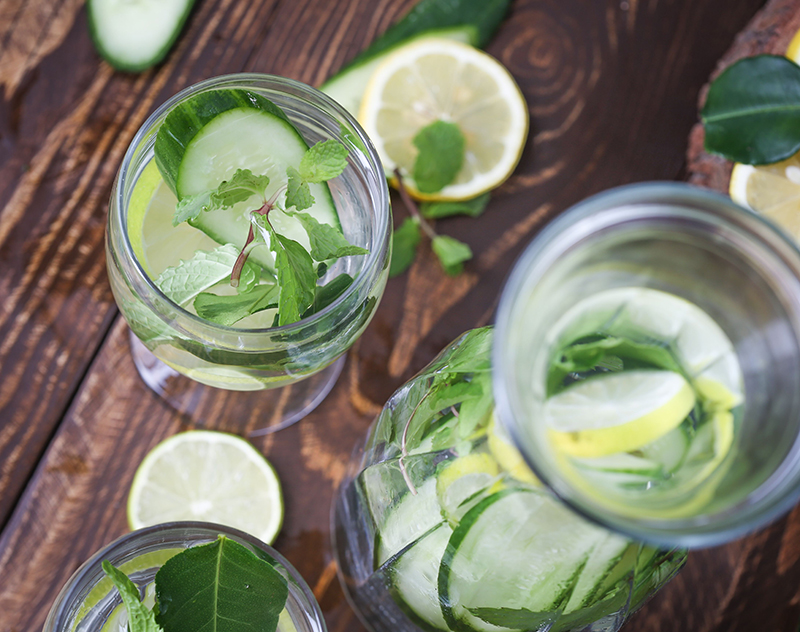
Drinking a large glass of water after waking helps replace fluids lost overnight and prepares your digestive system for the day ahead.
If plain water isn’t appealing, try:
- Water with cucumber
- Lemon or lime slices
- Fresh mint
- Orange slices
- A few berries
These add natural flavour without relying on sugary drinks.
Proper hydration supports circulation, digestion, nutrient transport, temperature regulation and healthy bowel function. If you’re struggling with constipation (a common side effect of some cancer treatments) adequate fluid intake becomes even more important.
2. Ginger & lemon water
A warm mug of ginger and lemon water has become a popular morning ritual – and for good reason!
Ginger contains natural compounds called gingerols, which have been studied for their anti-inflammatory and anti-nausea properties. In fact, ginger has been researched for helping reduce nausea associated with chemotherapy, pregnancy and motion sickness, although it isn’t suitable for everyone and should always be discussed with your healthcare team if you’re undergoing treatment.
Try this:
- Warm water
- Fresh grated ginger
- Juice of half a lemon
Remember, while this drink can be refreshing, it isn’t a detox or cure-all. Your liver and kidneys already do an incredible job of naturally detoxifying your body.
3. Green tea or matcha
If you enjoy a gentle caffeine boost, green tea is one of the healthiest morning drinks available.
Green tea contains plant compounds called catechins, particularly EGCG (epigallocatechin gallate), which act as antioxidants. Antioxidants help protect our cells from damage caused by unstable molecules known as free radicals. Some research also suggests green tea may support heart health, brain function and healthy ageing, although more research is needed regarding cancer outcomes.
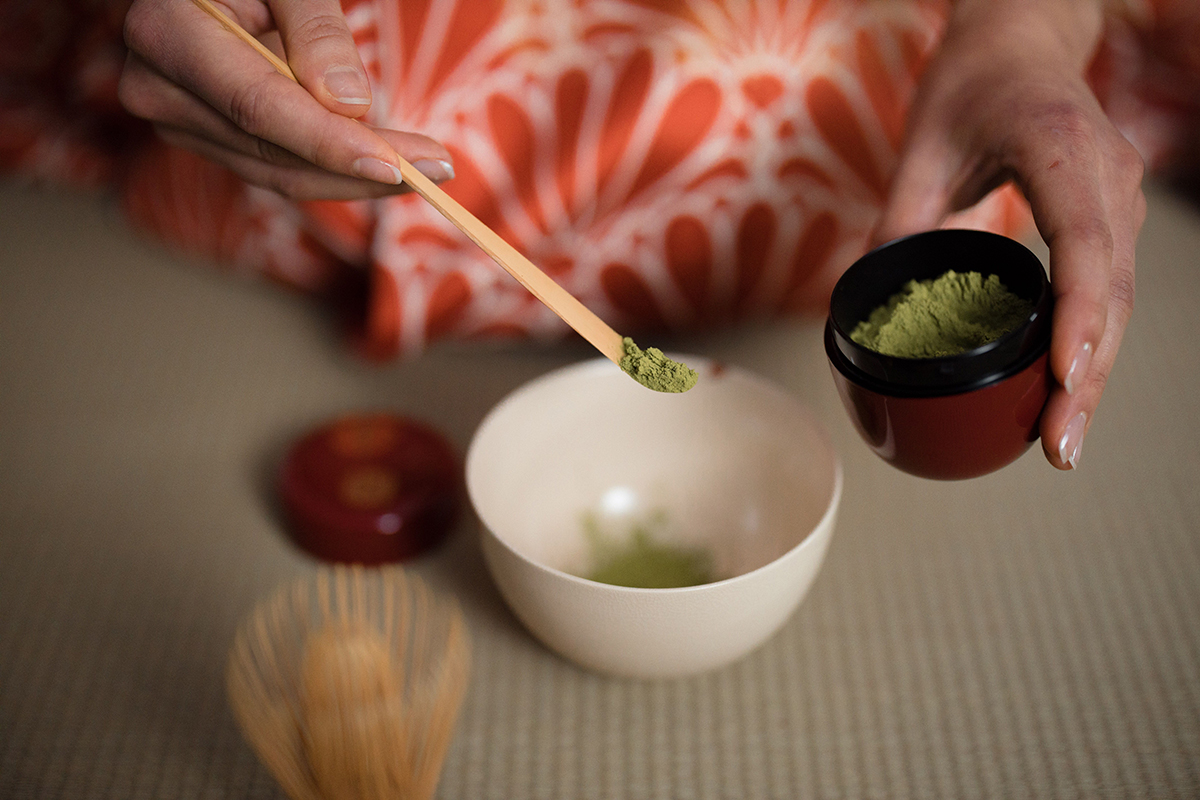
Matcha, made from finely ground whole green tea leaves, provides similar beneficial compounds in a more concentrated form.
If you’re receiving cancer treatment, speak with your medical team before taking concentrated green tea supplements, as these differ significantly from drinking tea.
4. A nourishing green smoothie
One of the easiest ways to increase your fruit and vegetable intake is by blending them into a smoothie.
Unlike fruit juice, smoothies retain fibre, which supports digestive health and helps slow the release of natural sugars into the bloodstream.
A balanced smoothie can include:
- Spinach or kale
- Frozen berries
- Banana
- Ground flaxseed
- Chia seeds
- Unsweetened plant milk
- A spoonful of nut butter
Adding healthy fats and protein helps keep you fuller for longer while supporting stable energy throughout the morning.
5. Herbal teas
Herbal teas provide warmth, comfort and hydration without caffeine.
Some popular choices include:
- Peppermint for digestion
- Chamomile for relaxation
- Rooibos, naturally rich in antioxidants
- Ginger tea for nausea
- Fennel tea after meals
If you’re undergoing cancer treatment, always check with your healthcare team before consuming herbal products regularly, as some herbs can interact with medications.
6. Unsweetened vegetable juice
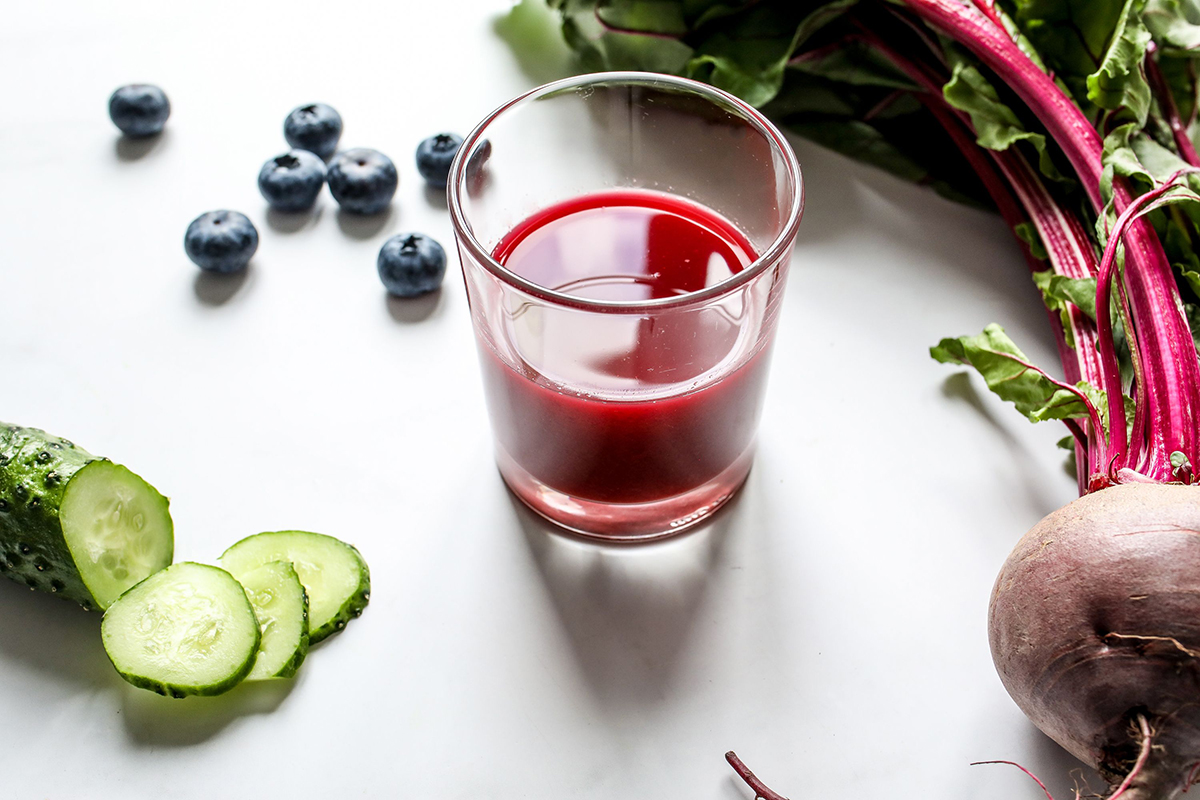
Fresh vegetable juices can provide vitamins, minerals and phytonutrients, but they contain much less fibre than eating whole vegetables or drinking smoothies.
If you enjoy vegetable juice:
- Choose low-sodium options
- Avoid added sugars
- Keep portions moderate
- Pair with a balanced breakfast
You could even warm up your juice – think beetroot latte or hot broth if you’re still craving a rich warmth in the morning that normal tea provides.
7. Coffee – in moderation!
Good news for coffee lovers… you don’t necessarily have to give it up.
Research suggests moderate coffee consumption may be associated with several health benefits for many people, including improved alertness and reduced risk of certain chronic diseases. However, coffee affects everyone differently.
Some people living with cancer may find caffeine worsens reflux, nausea, anxiety, diarrhoea or sleep quality.
If coffee works well for you, consider:
- drinking water first
- avoiding excessive sugar
- limiting flavoured syrups
- pairing coffee with breakfast rather than drinking it on an empty stomach
Morning drinks aren’t about perfection
It’s easy to feel overwhelmed by wellness advice online. The truth is, there isn’t one perfect morning drink that everyone should universally be drinking. Healthy morning drinks can become healthy morning habits, and the healthiest choice for you is one that:
- helps you stay hydrated
- fits your lifestyle
- supports your nutritional needs
- is enjoyable enough to become a sustainable habit
Small, consistent habits are far more powerful than chasing the latest health trend.
A reminder for anyone affected by cancer
If you’re experiencing reduced appetite, swallowing difficulties, treatment-related nausea or significant weight changes, your nutritional needs may be very different from someone else’s.
Always seek personalised advice from your oncology team or a registered dietitian before making major dietary changes.
At Together Against Cancer, we often welcome guest speakers to the Wellness Centre to support your health and wellbeing, including nutritional guidance and ways to form easy, practical habits during a healing journey. If you have any queries about anything mentioned in this post, please reach out to our team or keep an eye on our events page for an updated schedule of workshops over the coming months: https://www.togetheragainstcancer.org.uk/events/.