
We’ve all done it… Bought the healthy cookbook, filled the fridge with good intentions, then found ourselves eating cheese on toast over the sink by Wednesday.
The truth is, healthy habits for cancer patients – and for anyone wanting to improve their wellbeing – aren’t built on dramatic overhauls or impossible routines. They’re built on the small decisions we make every single day: what we add to our plate, whether we take that short walk, drink another glass of water, or simply slow down enough to enjoy our food.
For anyone living with cancer, those everyday choices can feel even more significant. While no lifestyle habit can cure cancer, many can help support your body, improve energy, aid recovery and enhance your overall wellbeing. And if cancer isn’t part of your story, these same habits can still help you invest in a healthier future.
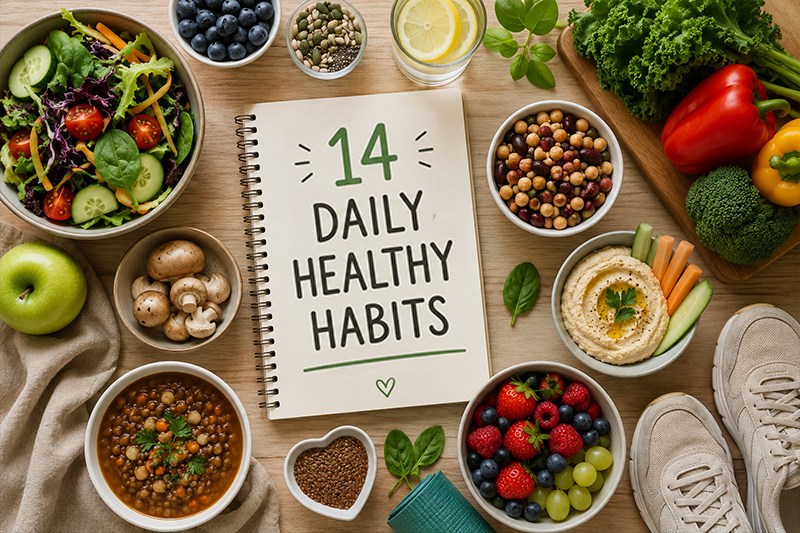
So, rather than chasing perfection, let’s look at 14 simple habits that are easy to start, backed by science and kind to your body.
1. Eat at Least Two Pieces of Fresh Fruit Every Day
Fruit provides vitamins, minerals, antioxidants and fibre that support overall health. Colourful fruits such as berries, oranges and apples contain plant compounds called phytochemicals, which help protect cells from oxidative stress.
Studies have shown that diets rich in fruit and vegetables are associated with a lower risk of several chronic diseases, including some cancers.
If you’re undergoing cancer treatment and struggling with appetite, fruit can also be an easy, refreshing way to increase nutrient intake.
Try:
- Berries with breakfast
- An apple as an afternoon snack
- Orange slices after dinner
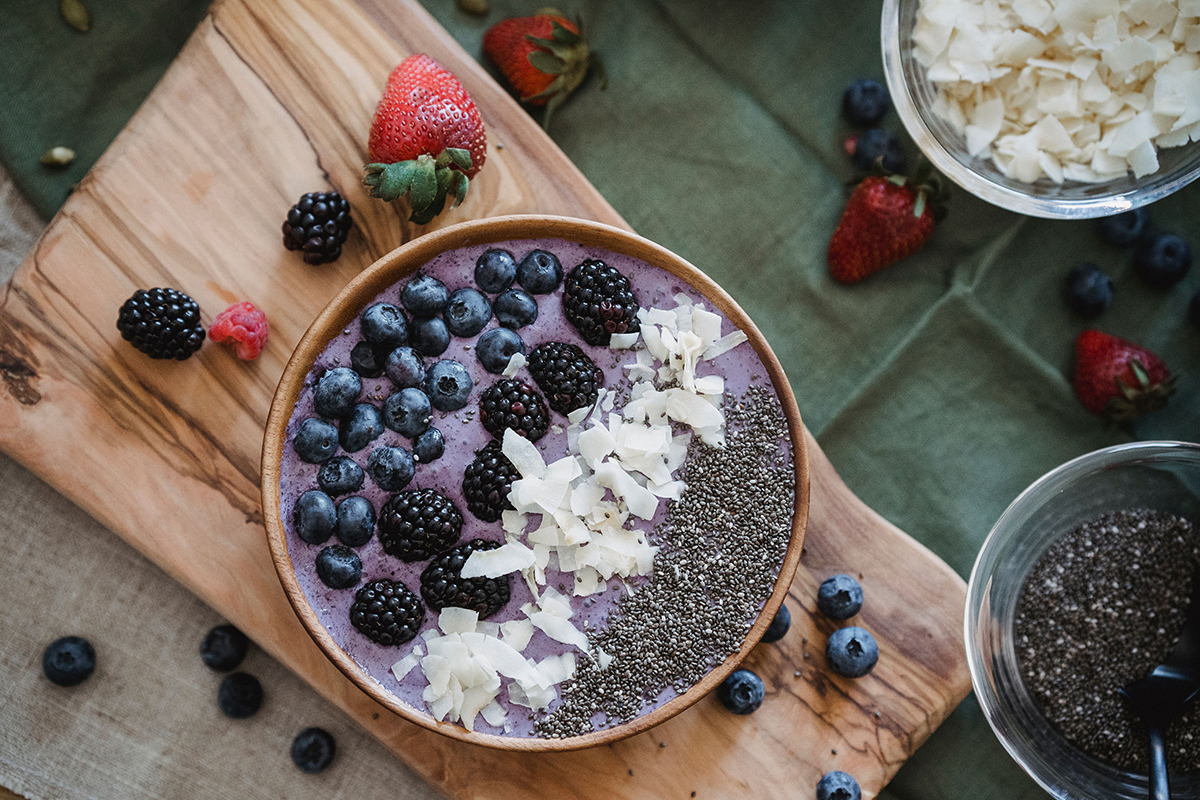
2. Start Your Morning with Berries and Seeds
Adding flaxseed, chia seeds and hemp seeds to breakfast is a simple nutritional upgrade.
These tiny foods are packed with:
- Omega-3 fatty acids
- Fibre
- Plant protein
- Minerals such as magnesium and zinc
Ground flaxseed has been particularly well studied for its lignans. These are natural plant compounds that may help support hormone balance and reduce inflammation.
Pair them with blueberries or raspberries for an antioxidant-rich breakfast that supports healthy digestion and sustained energy.
3. Make Greens the Largest Part of Your Plate
Leafy greens like spinach, kale, rocket and broccoli provide:
- Folate
- Vitamin K
- Vitamin C
- Fibre
- Carotenoids
These nutrients support healthy cells, digestion and immune function.
Rather than focusing on what to remove from your diet, think about what you can add. Filling at least half your plate with vegetables naturally leaves less room for highly processed foods.
4. Eat One Large Colourful Salad Each Day
A colourful salad isn’t just visually appealing… different colours represent different protective plant compounds.
Aim to include a variety of:
- Dark leafy greens
- Tomatoes
- Peppers
- Beetroot
- Carrots
- Purple cabbage
- Herbs
The more colours you eat, the greater the diversity of nutrients you’re providing your body.
5. Include Beans or Lentils Regularly
Beans and lentils are nutritional powerhouses.
They’re naturally rich in:
- Fibre
- Plant protein
- Iron
- B vitamins
Higher fibre intake has been linked to improved gut health and may help reduce the risk of colorectal cancer.
Adding beans to soups, salads, curries or stews is an affordable way to improve overall nutrition.
6. Choose Whole Foods More Often
One of the simplest daily healthy habits for cancer patients is choosing foods as close to their natural state as possible.
Whole foods generally provide more fibre, more nutrients, fewer additives, less salt and no added sugar.
This doesn’t mean you can never eat packaged foods, but making fresh ingredients the foundation of your meals is a positive step towards better health.
7. Replace Processed Snacks
Instead of reaching for crisps, biscuits or sugary snacks, try:
- Vegetable sticks with hummus
- Fresh fruit
- A handful of unsalted nuts
- Natural yoghurt with berries
These choices help stabilise blood sugar, improve satiety and provide nutrients that processed snacks often lack.
8. Try Water-Sautéing Instead of Cooking with Oil
Cooking vegetables in a small amount of water or vegetable stock can help reduce added fats while allowing the natural flavours of vegetables to shine.
For people experiencing digestive discomfort during treatment, lighter cooking methods may also be easier to tolerate.
9. Experiment with Nut and Seed Dressings
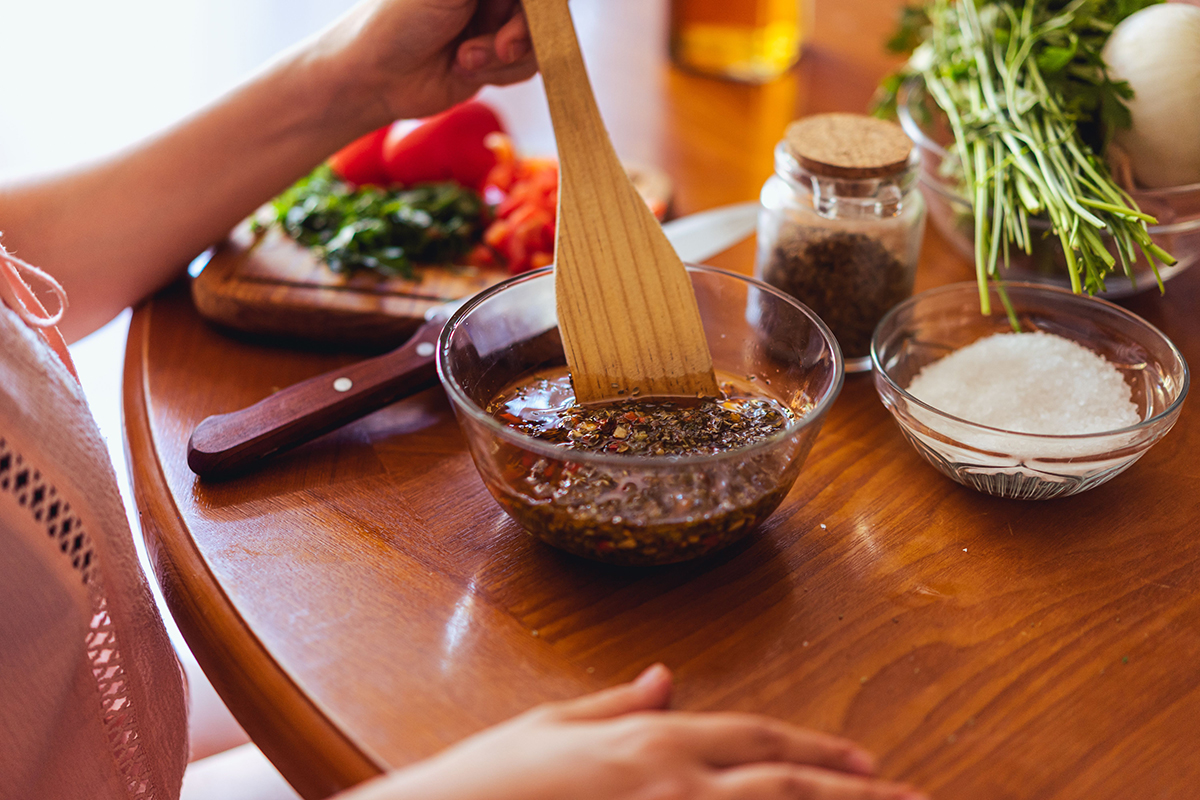
Instead of processed bottled dressings, try making your own using ingredients such as:
- Tahini
- Almond butter
- Cashews
- Lemon juice
- Herbs
- Garlic
These provide healthy unsaturated fats, minerals and flavour without unnecessary additives.
10. Add Mushrooms to Your Meals
Many edible mushrooms contain beta-glucans. These are naturally occurring fibres that have been studied for their effects on immune health.
While mushrooms are not a cancer treatment, varieties such as shiitake, oyster and maitake provide valuable nutrients including selenium, B vitamins and antioxidants.
Adding mushrooms to soups, stir-fries or pasta dishes is an easy way to boost nutritional variety.
11. Stay Hydrated Throughout the Day
A vitally important healthy habit for cancer patients is staying hydrated. Hydration supports:
- Digestion
- Circulation
- Temperature regulation
- Energy levels
- Kidney function
Some people find drinking a glass of water around 30 minutes before meals supports digestion as it gives your stomach the hydration it needs to properly produce digestive juices.
Remember, hydration doesn’t mean downing litres of water in one go as this can stress your kidneys. When we talk about staying hydrated, we mean on a cellular level. Our Natural Electrolytes blog post also dives deeper into optimum hydration and the foods we should eat to replenish lost minerals.
If you’re receiving cancer treatment, your healthcare team may also recommend different fluid goals depending on your individual circumstances, so always follow their advice.
12. Set 10-Minute Movement Goals
Exercise doesn’t have to mean spending hours at the gym. Research shows that even short bouts of movement throughout the day can improve mood, fatigue, cardiovascular health and muscle strength.
For people living with cancer, regular physical activity has also been linked with improved quality of life and reduced treatment-related fatigue.
Ideas include:
- A short neighbourhood walk
- Gentle stretching
- Dancing in the kitchen
- Chair exercises
- Gardening
Always speak with your healthcare team before starting a new exercise programme during treatment.

13. Practise Mindful Eating
Many of us eat while distracted. Slowing down can help you notice fullness cues, improve digestion, enjoy food more and reduce overeating.
Try putting your fork down between bites, chewing thoroughly and taking time to appreciate the flavours and textures of your meal.
Mindful eating can also help rebuild a positive relationship with food after cancer treatment.
14. Prepare Your Vegetables for the Week
Healthy eating becomes much easier when healthy food is ready to use.
Spend 20–30 minutes each week washing, chopping and storing vegetables. Having ready-to-use ingredients makes it more likely you’ll prepare nutritious meals, even on busy or low-energy days.
Simple preparation can remove one of the biggest barriers to healthy eating.
Small Habits Create Lasting Change
When it comes to improving health, consistency matters far more than perfection. Whether you’re looking to reduce your cancer risk, support your wellbeing during treatment, recover after cancer or simply live a healthier life, these daily healthy habits for cancer patients provide a practical place to begin.
Remember, everyone’s journey is different. If you’re undergoing cancer treatment or have specific dietary needs, always discuss significant lifestyle changes with your oncology team or registered dietitian.
At Together Against Cancer, we often welcome guest speakers to the Wellness Centre to support your healing journey, sharing integrative and informed guidance on nutrition, hydration and other lifestyle approaches that support you better during a cancer journey. Keep an eye on our events page for an updated schedule of workshops over the coming months: https://www.togetheragainstcancer.org.uk/events/